
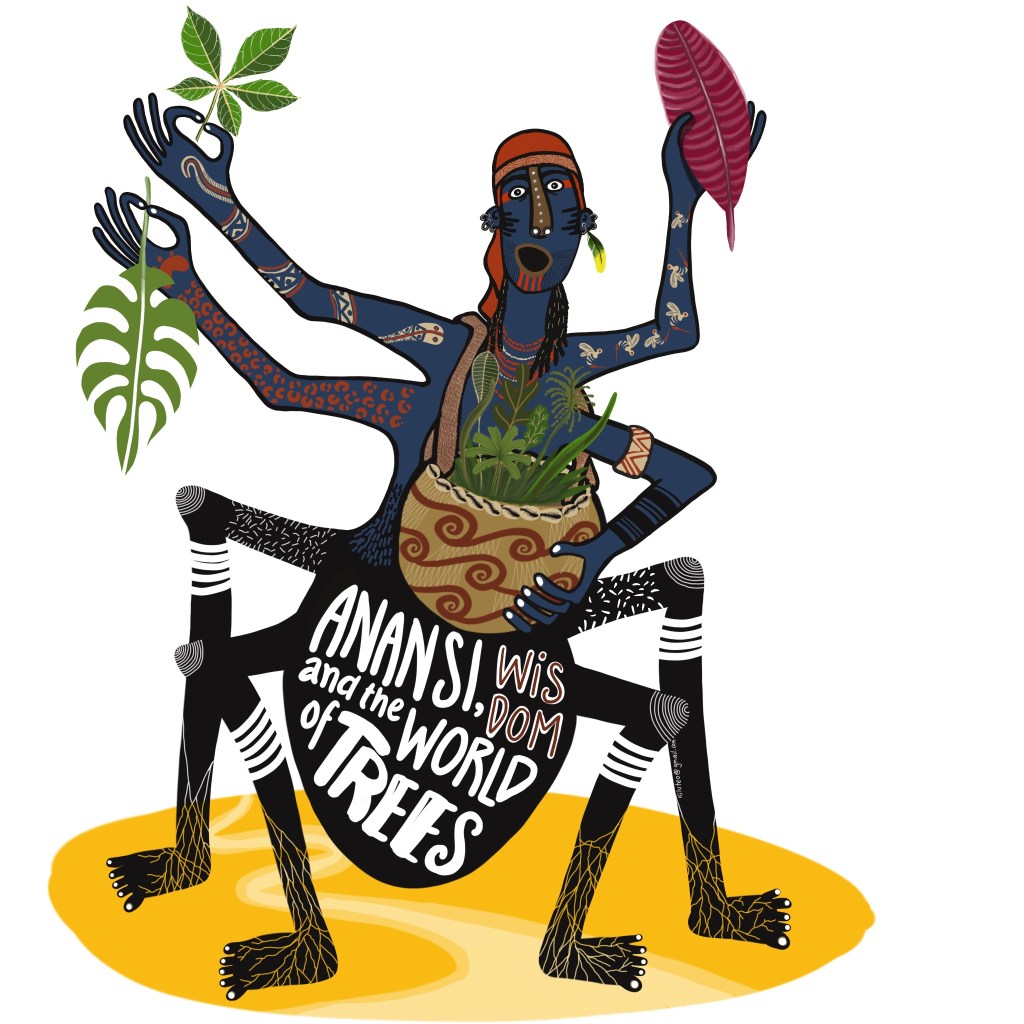
It begins with a story: A trickster story; an Anansi/e* story. Our full telling of that story is HERE. 🔈
A in Anansi could stand for Ancestral and the I for Intelligence or Inspiration with the common Caribbean spelling!
This is a journey of ancestral indigeneities and migrant movements. It is in service of bringing about a greater eco-cultural balance across the multi-polar universe, or pluriverse. It will be a way of acknowledging and then repairing or healing ecologies (which include people as well as all other forms of life) by centring knowledge that has become marginalised by the modern world.
Across the worlds there are folktales which teach each generation the cultural lessons that keep the people resilient and thriving, or even simply surviving. We wish to work with these folktales as a way of reigniting ancestral values and meanings which we feel have a role in the necessary, reparative work of today.
At the end of the tale, the collected wisdom scatters on the four winds. Although Anansi/e was hoping to have hoarded these treasures for himself, hoping to capitalise upon them for his benefit, he has caused a great loss to the community. How will the scattered common sense return to the people to help them to thrive?
Fortunately, as he too falls from the tree, a shard of common sense pricks his conscience, and he commits to go searching for the now scattered wisdom so that he can return it to the community that he now calls home.
Originally, the story was a tale woven across seven parts, in seven different lands. They were based upon tree stories, who, being long-lived beings, carried wisdom. Now, we will retell the stories together with the people from the places we visited before, only in our imagination (and some research in books, museums and online). Instead of trees what we will now seek out are those folktales and folktale characters who, like Anansi/e are trickster characters.

Ananse Ntontan motif (Adinkra)
*Ananse is the Akan Spelling, but Anansi is a Caribbean spelling. The A and I in this spelling can connote Ancestral or Ancient Intelligence, which is what we wish to work with!
Why a trickster?
The Trickster is a creature that is in a complex relationship with the dualities that many cultures hold of ‘good’ and ‘bad’. Such a creature lives at the boundaries: at the edge places of the culture – the edges of etiquette and law, as enacted by the community. Village or forest boundaries may be their habitation: the places where waste is disposed of, where women gather for moon cycles, or where people are buried. They may also be found at crossroads.
These are places which feel or appear to be beyond the control of the village or community order. They are sites where the control of the community interacts with the control of beings spiritually adjacent to community and with whom the community has to continuously negotiate so as to maintain its own order.

So these trickster folk-stories teach members of the community how to negotiate balance and harmony, what the pitfalls may be of excesses, of greed, of lust, of disorder and as such they perform a necessary restorative function – they help each community member to understand ‘ubuntu’ (by any other Bantu name) as a process that keeps village life in connection with itself and its environment. Telling Trickster stories helps the community leadership be held in check by community; for leaders not to take themselves too seriously and become egotistic, especially where stories are able to act as a valve to their excesses of power. Leaders become revealed as fallible and subject to a wider sense of social harmonising that keeps everyone in check, including the harmonising principle itself!
Our Plan:
(‘Mi hab a plan, so mi boun’ fi win!’)
(Anansi/e says)
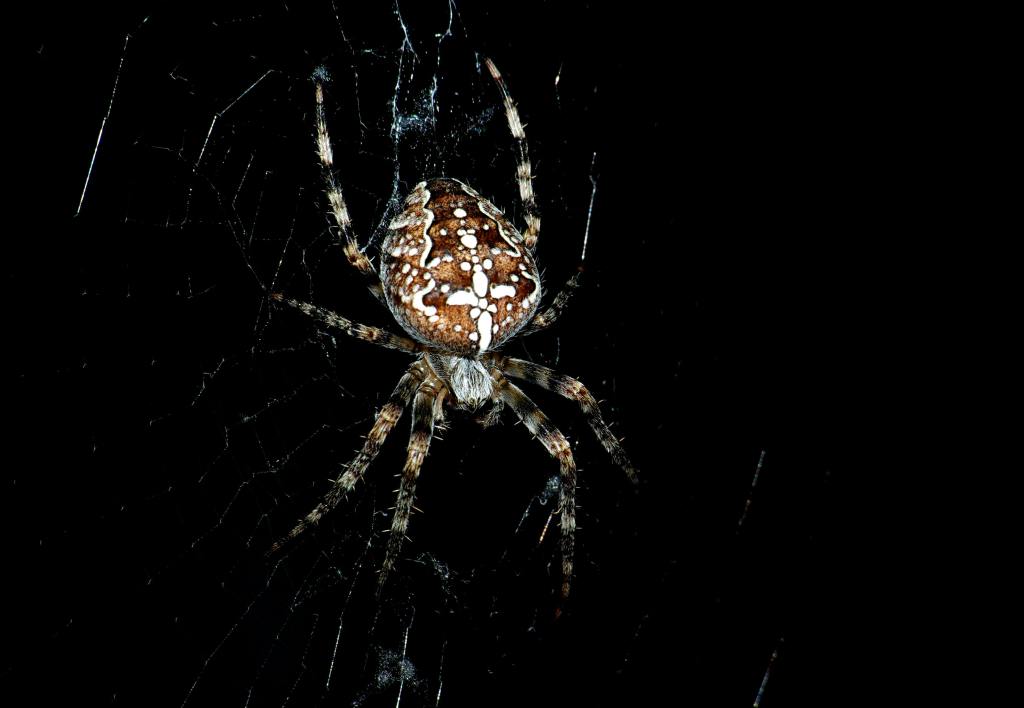
Anansi/e as Trickster is part spider and part human in the Caribbean. His role is claimed to be one of resistance to plantation rule and its cruelties but without overtly overturning plantation culture, Anansi/e stories helped to enable a continuous resistance to slavery. This eventually led to its end.
We aim to work with community folktales and myths as we journey, leading with the Anansi/e character, and we will hold conversations about those community knowledges within these stories which support resilience, resistance and healing.
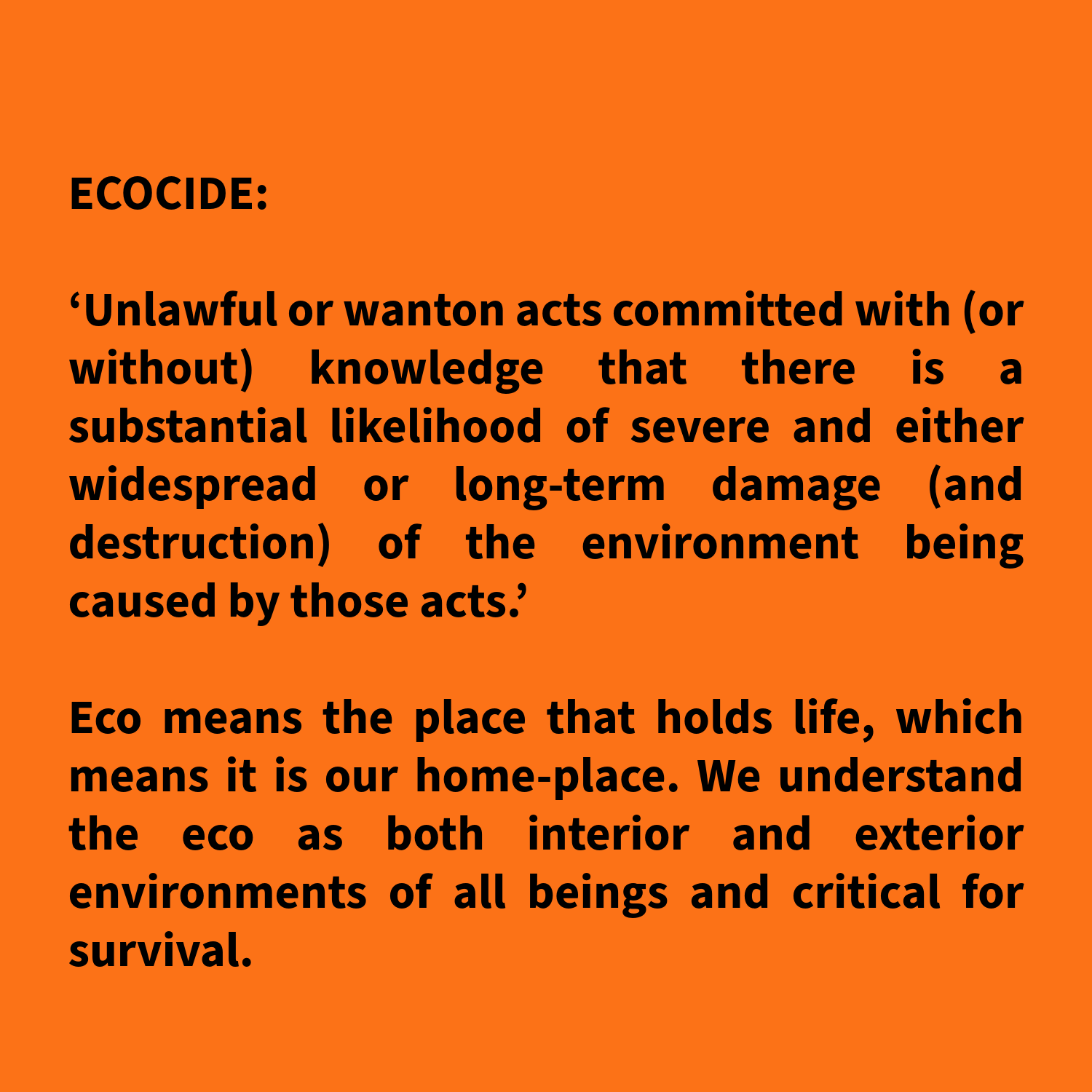
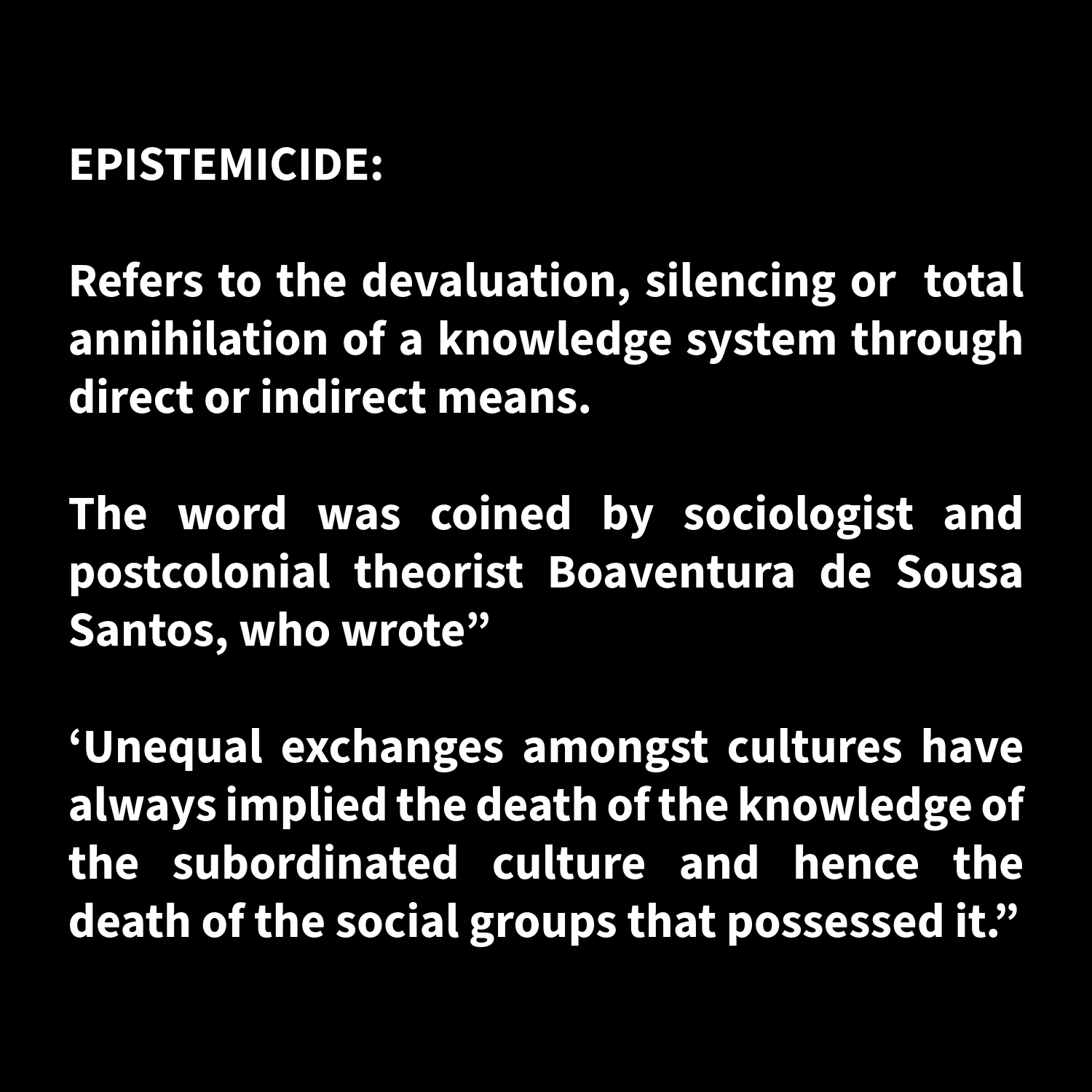
We will focus on coloniality’s epistemicide (theft and intentional erosion, through colonisation, of community-based knowledges and truths). This is connected to ecocide (environmental damage, and destruction – often through extractivism and/or neglect) and the slow genocides which are the result of how race, gender, class and community restructuring are imposed upon communities in ways that cause multiple harms, decline and death. Our focus is on how we recentre, repair and heal autonomous community.
We start where we first find ourselves and explore outwards from there, bringing community elders and youth into conversation. We will use a wide array of arts to revisit traditions and histories of the ways people have faced the challenges that globalisation has brought. We will especially and critically support and host conversations and exchanges between the ‘trickster’ cultures of people whose origins lie in the down-trodden (but still active and strong) worlds of the pluriverse, whose healing our work is looking to be in service of.
We ‘re-earth’ the possibilities in what it means to be displaced – to migrate – as well as to be ‘of a place’ or indigenous, and we encourage the sharing of stories between people who do not often see themselves represented by themselves using their own basis of truth and order. We explore how the ‘trickster’ might be a useful guide to responding to the changes that colonialism has wrought, not through its own logic, but by employing other world ways of knowing and being.
Look out for Anansi/e!
Our project is a natural extension of the interactive, multi-sensory offerings of Community Centred Knowledge. These acknowledge the embodied knowledges of individuals and communities. We work with community arts and sciences to refashion our presents so as to invite in new and vibrant futures. We centre ‘ecological thinking’.
If you are interested in getting involved, then do contact us!

Small glossary:


 Community Centred Knowledge